
5 Things Tourists Always Get Wrong About Vermouth
Vermouth has become one of my favourite ways to introduce visitors to Madrid. It’s approachable, deeply rooted in local culture, and usually comes with a good story.
But after taking countless people out for vermouth, I’ve noticed the same misconceptions appearing again and again. Most aren’t serious mistakes, but they can stop you from appreciating vermouth the way it’s traditionally enjoyed in Spain.
Here are five things tourists almost always get wrong about vermouth.
1. Thinking Vermouth Is Just a Cocktail Mixer
This is probably the biggest one.
A large percentage of my North American guests only know vermouth as the bottle that sits behind the bar waiting to be poured into a Martini or Manhattan. In many countries, that’s its primary role.
In Spain, however, vermouth is the star of the show.
It’s ordered by itself, served over conversation, and enjoyed before lunch as part of a social ritual. Nobody is hiding it behind gin or whiskey. The vermouth is the reason people are there.
Once people realise this, they start approaching the drink completely differently. They begin paying attention to the botanicals, the bitterness, the sweetness, and the way different producers express their own style.
2. Thinking Red and White Vermouth Come From Different Grapes
This is a very common beginner assumption.
People often think red vermouth is made from red grapes and white vermouth is made from white grapes.
In reality, the colour difference usually comes from the production and sweetening process rather than the grapes themselves.
Red vermouth gets its darker appearance and richer flavour profile through the addition of caramelised sugar and other ingredients during production. White vermouth is generally lighter, fresher, and more delicate.
The result is two very different drinking experiences, but not for the reasons most people assume.
3. Assuming Vermut de Grifo Is Always Better
In Spain you’ll often see bars proudly advertising vermut de grifo. This is vermouth served from a tap or barrel.
Many visitors immediately assume this means higher quality.
On most occasions, it doesn’t.
The reality is that vermut de grifo has become something of a status symbol. It looks traditional, feels authentic, and creates a nice story.
But some of the best vermouths I’ve ever tasted come from bottles.
Many small producers create exceptional artisanal vermouths that simply aren’t available on tap. They focus on quality, careful production, and distinctive flavour rather than presentation.
Many of the producers who produce tap vermouth are the bigger industrial producers, who may lose some of the nuances through their production cycle.
Don’t judge a vermouth solely by how it’s served. Judge it by what’s in the glass.
4. Drinking It Too Late in the Day
In Spain, vermouth has a time and a place.
That time is before lunch.
The tradition is known as la hora del vermut (vermouth hour).
Historically, vermouth is an aperitif. Its herbal bitterness and sweetness help stimulate the appetite and prepare you for the meal ahead.
That’s why you’ll often see people gathering around midday on weekends, enjoying a vermouth with olives, a gilda, or a few snacks before sitting down to eat.
Can you drink vermouth at other times? Of course.
But if you want to experience the tradition properly, try it before lunch.

5. Not Knowing What to Look For When Buying a Bottle
Walk into a Spanish wine shop and you’ll find dozens of vermouths staring back at you.
So how do you spot something interesting?
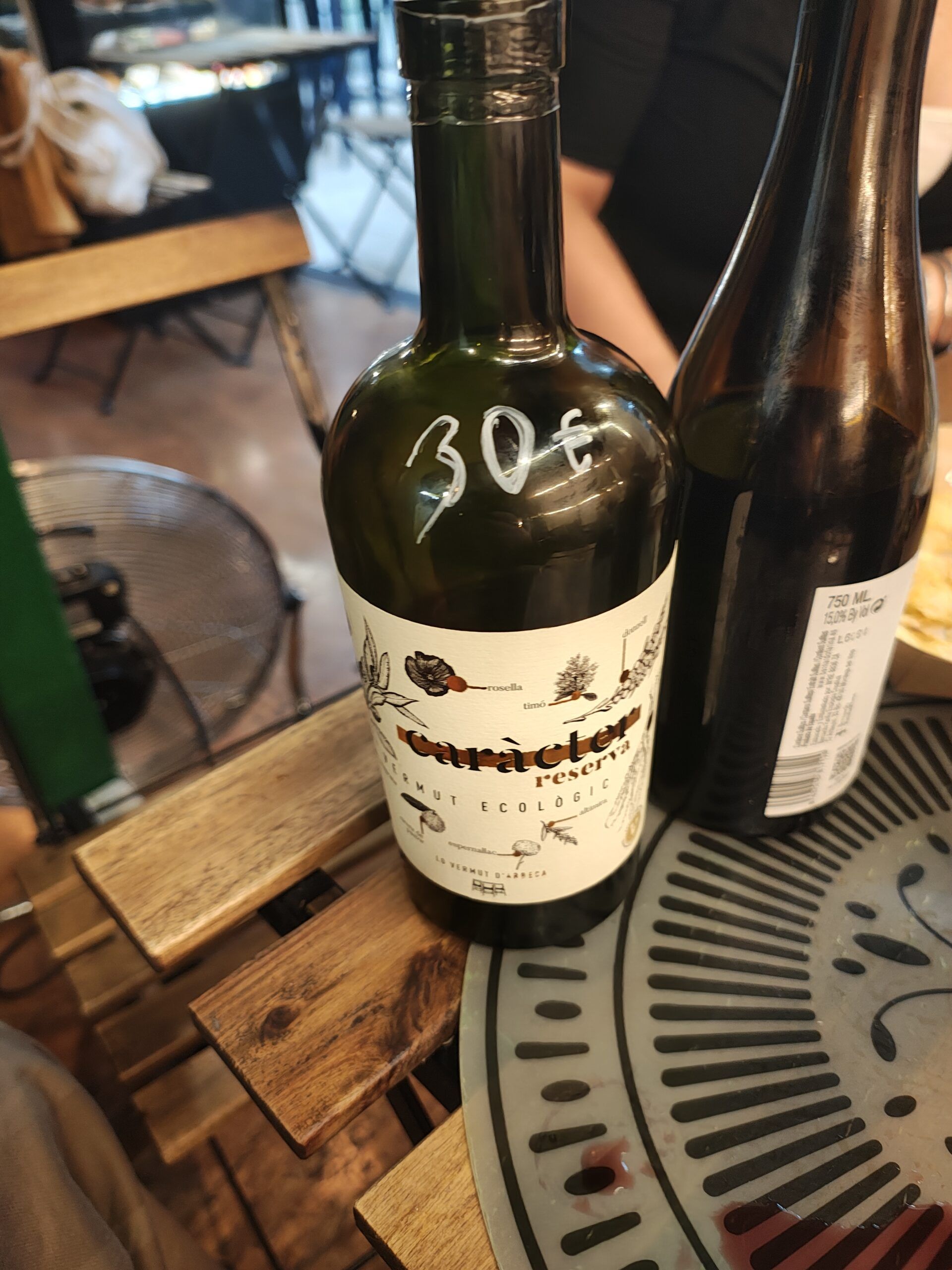
One trick I’ve learned is to look at the information on the back label.
If the producer is a specific winemaker or enólogo, that’s often a good sign you’re dealing with a smaller, more artisanal operation. You should literally be able to find the name of a person.
If the information section lists a company, there’s a higher chance you’re looking at a more industrial product. See if the business name has S.L or S.L.U at the end of it and that’s usually a good indication.
Of course, there are exceptions. Plenty of larger producers make excellent vermouth.
But if you’re looking for something unique, the back label can tell you a lot.
Final Thoughts
The more time you spend around vermouth culture in Spain, the more you realise it’s about far more than the drink itself.
It’s about slowing down before lunch. It’s about conversation. It’s about traditions that have survived for generations.
Learn these five lessons, and you’ll already be enjoying vermouth more like a local than most visitors ever do.