
Best Areas to Stay in Madrid (An Honest Local Breakdown)
Madrid is not a city of “good” and “bad” neighbourhoods. It’s a city of fit. Where you stay shapes how you experience it. Choose well, and the city opens up naturally. Choose poorly, and you spend half your time commuting or fighting crowds. Here’s a grounded breakdown of five areas I regularly recommend — depending on the type of traveller you are.
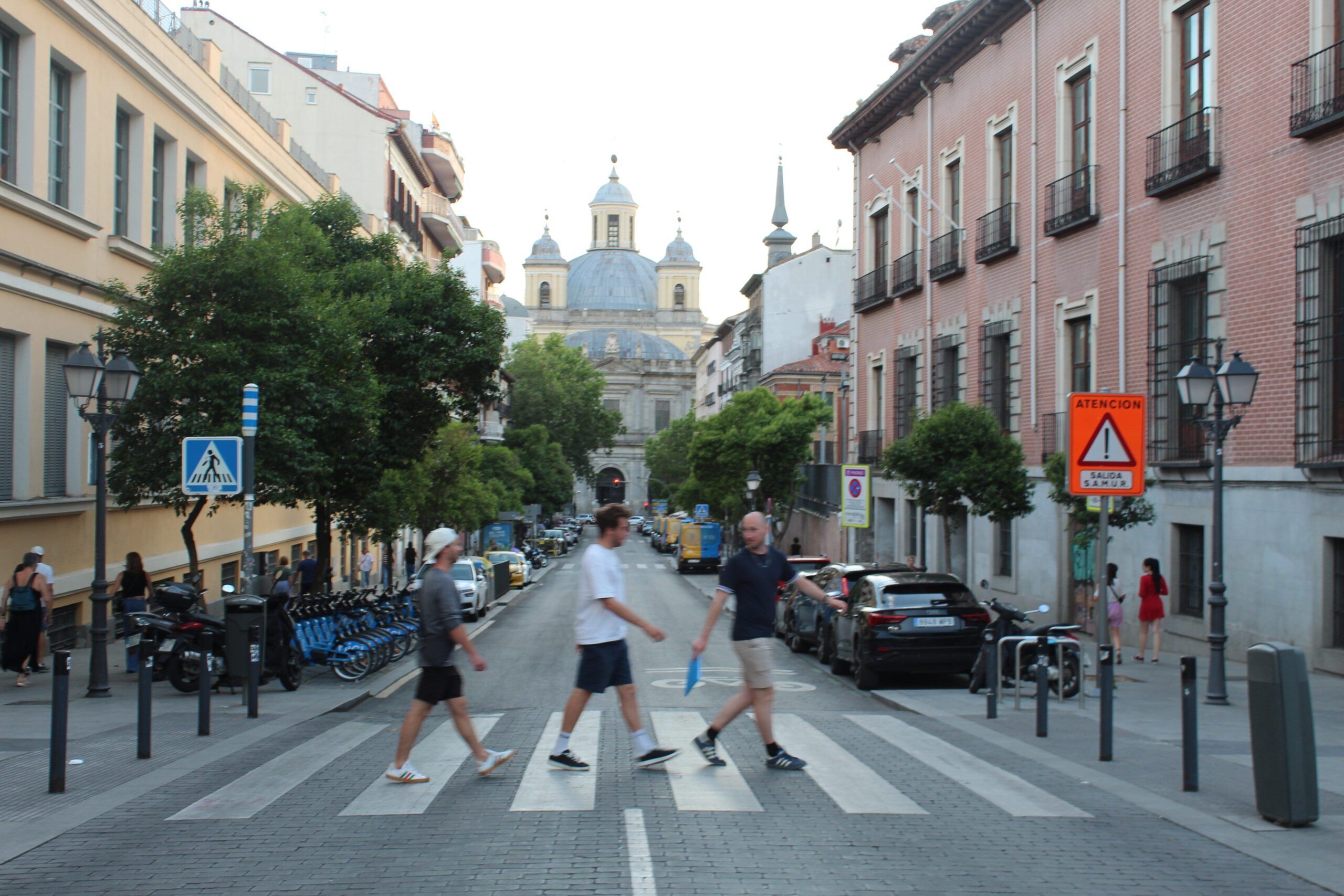
La Latina – Old Madrid Without the Theme Park Feel
La Latina is old-town Madrid at its most liveable.
Narrow streets. Worn stone. Tiny tabernas spilling onto the pavement. Sunday vermouth energy that feels local rather than staged.
You’re steps from the centre, but slightly removed from the heaviest tourist concentration around Sol and Plaza Mayor. That balance matters. You can walk to major landmarks in minutes, yet retreat into quieter backstreets at night.
Culturally, you’re well positioned too. You’ve got the Museo de San Isidro and the Museo de Artes y Tradiciones Populares nearby — smaller institutions that give you a deeper sense of Madrid’s roots.
Best for: Travellers who want history, authenticity, and walkability without the chaos of the absolute centre.
Salamanca – Polished, Refined, and Comfortable
Salamanca is where Madrid dresses well.
Wide boulevards. Elegant façades. Serrano’s luxury shopping. High-end restaurants and polished cafés. It’s calm, structured, and predictable — in a good way.
You won’t find late-night street noise here. What you will find is comfort, quality, and consistency.
It’s slightly removed from the medieval core, but still very central. Metro connections are excellent, and walking into the heart of the city takes roughly 20 to 30 minutes depending on your starting point.
Best for: Travellers who value fine dining, premium shopping, clean aesthetics, and a quieter sleep.
Madrid Río – Space, Light, and a Slower Pace
Madrid Río runs along the Manzanares River and offers something rare in a capital city: breathing room.
Long walking paths. Open green spaces. Sunset views over the water. Locals cycling, jogging, strolling.
You’re not in the thick of the action — and that’s the point. You get space and quiet, while still being a short metro or taxi ride from the historic centre.
It feels residential and grounded. Less nightlife, more lifestyle.
Best for: Families, longer stays, and travellers who want calm mornings and evening walks without feeling isolated from the city.
Chamberí / Malasaña – Trendy With Depth
Malasaña is creative, youthful, and slightly chaotic. Vintage shops. Indie bars. Late nights. Street art. It’s Madrid’s alternative edge.
Chamberí, just next door, is more refined but still full of character — classic architecture, excellent local restaurants, and a more residential rhythm.
Together, they create a strong mix: energy plus substance.
You’re central without being trapped in tourist flows. It feels lived-in, not curated.
Best for: Couples, younger travellers, creatives, and anyone who enjoys nightlife mixed with history and neighbourhood authenticity.
Chamartín – Practical, Strategic, Connected
Chamartín is functional and efficient.
It’s where business travellers often stay. You’re close to major offices, excellent transport connections, and the Santiago Bernabéu stadium.
It doesn’t have the romance of La Latina or the charm of Chamberí, but it offers convenience and structure.
If you’re here for meetings, football, or onward travel by train, it makes logistical sense.
Best for: Business travellers, Real Madrid fans, and short, purpose-driven stays.
To summarise.
The real question isn’t “Which is best?”
It’s: What kind of Madrid do you want to experience?
Old and atmospheric? Polished and refined? Calm and spacious? Creative and social? Efficient and strategic?
Choose your neighbourhood, and you choose your version of the city.