
What Is Vermouth? (And Why Spaniards Drink It Before Lunch)
If you spend any time in Madrid, you’ll eventually hear someone say: “Vamos a tomar un vermut.”
At first, this can be confusing for visitors. Vermouth is often thought of (especially by North Americans) as a cocktail ingredient. Something that lives quietly in the background of a martini. But in Spain, vermouth is something else entirely. It’s a drink in its own right, and more importantly, it’s part of a long-standing social ritual.
So what exactly is vermouth, and why do Spaniards drink it before lunch?
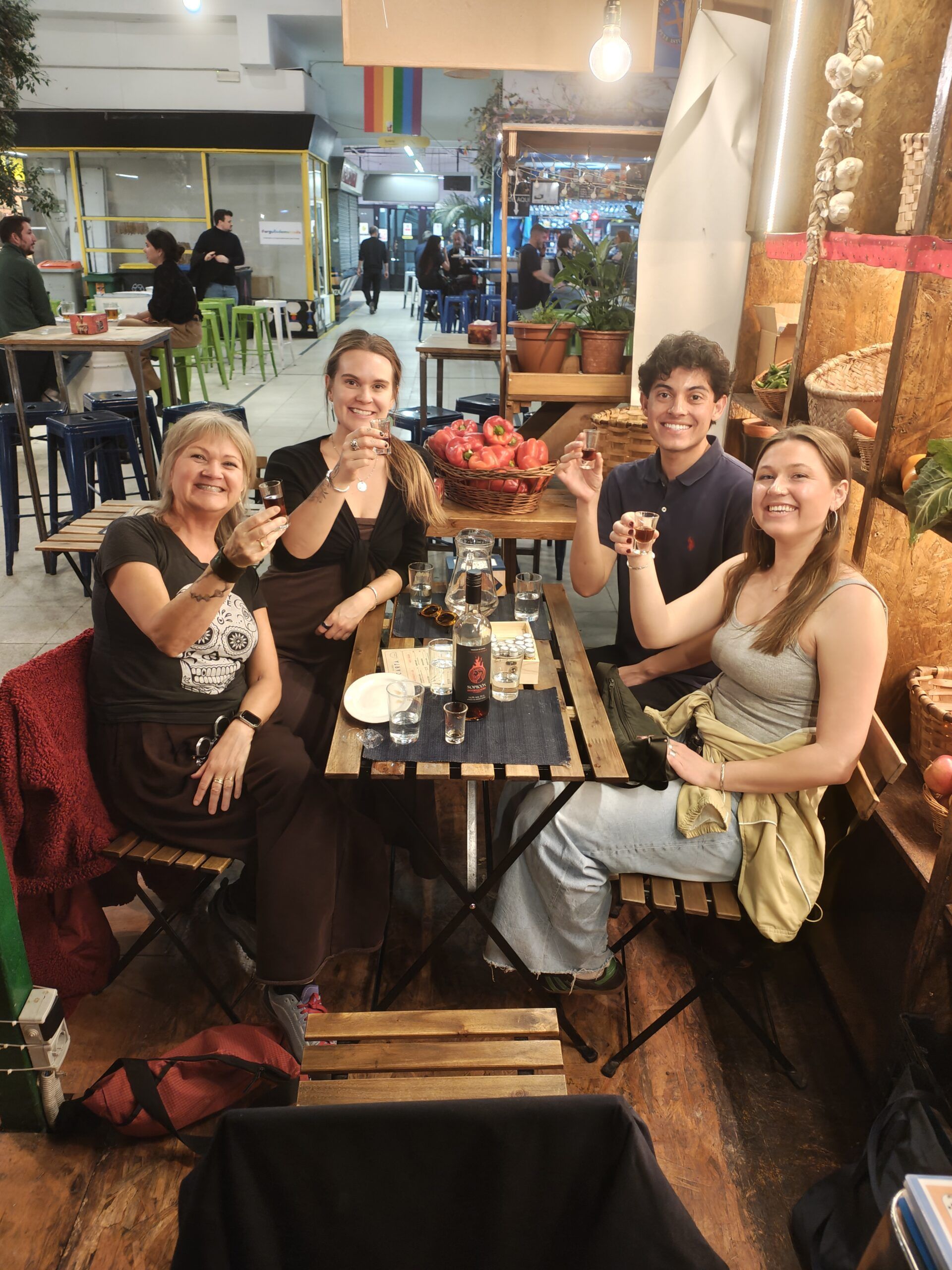
What Vermouth Actually Is
Vermouth is a fortified, aromatized and sweetened wine. In simple terms, it starts as wine, which is then strengthened with additional alcohol and infused with a blend of herbs, spices, and botanicals.
The exact recipe varies by producer, but common ingredients include wormwood (which gives vermouth its name), cinnamon, cloves, citrus peel, and various aromatic herbs. The result is a drink that sits somewhere between wine and a spirit. It is complex, slightly bitter, slightly sweet, and very aromatic.
Most vermouth falls into two broad categories:
-
Red (or sweet) vermouth – darker in colour, richer, and slightly sweeter
-
White (or dry) vermouth – lighter, fresher, and more herbal
In Spain, the red style is by far the most common, and if you simply order “un vermut,” that’s usually what you’ll receive.
Why Vermouth Is So Popular in Spain
Vermouth has a long history across Europe, particularly in Italy (where it was first produced in it’s modern form) and France. But Spain, and especially Madrid, have developed a unique culture around it.
The key to understanding vermouth in Spain is timing.
Traditionally, vermouth is drunk before lunch as an aperitivo, usually around midday. This moment is known as “la hora del vermut” (the vermouth hour). It’s not about drinking heavily or quickly (I don’t recommend drinking vermouth too heavily, the hangover is brutal). Instead, it’s a relaxed social moment where people gather with friends or family before sitting down for a meal.
In Madrid, this ritual often happens on weekends, especially Sundays. Locals might meet at a neighbourhood tavern, order a vermouth with a slice of orange, and share a few small snacks like olives, anchovies, or chips.
It’s a simple moment, but it’s deeply embedded in Spanish culture.
How Vermouth Is (Usually) Served
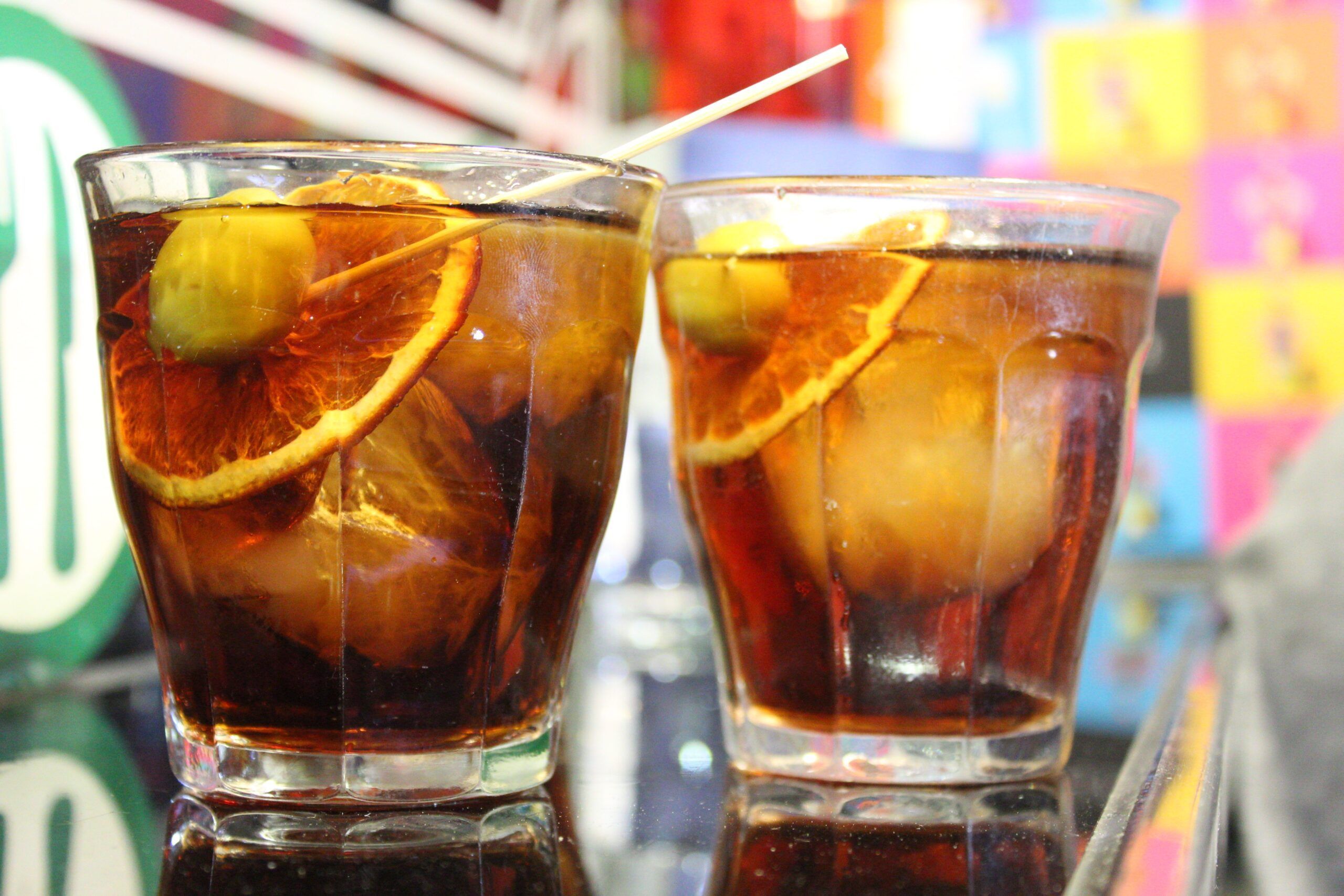
If you order vermouth in a traditional Madrid bar, it will normally arrive in a short glass filled with ice.
The drink itself is usually red vermouth, often poured straight from the bottle or sometimes from a small barrel behind the bar. It’s typically garnished with a slice of orange and occasionally an olive.
Some bars add a splash of soda to lighten it slightly, but the basic idea stays the same: a cold, aromatic drink designed to wake up the appetite.
That’s exactly what vermouth is meant to do.
Because of its herbal bitterness and sweetness, vermouth acts as an aperitif, which is a drink that prepares your palate for food.
Now, there are many ways a vermouth can be served, but in own opinion, there is only one correct way. If you’d like to know exactly what that way is, then see the link at the bottom of the page.
More Than Just a Drink
What makes vermouth special in Spain isn’t just the flavour. It’s the culture around it.
The ritual of meeting friends, standing at the bar, sharing small bites, and slowly easing into the afternoon meal is an important part of Spanish social life. It’s relaxed, informal, and very local.
For many visitors, discovering vermouth is one of those small moments that helps Madrid feel less like a tourist destination and more like a lived-in city.
Once you’ve experienced it properly, it’s easy to understand why this pre-lunch tradition has lasted for generations.
In Madrid, vermouth isn’t just a drink.
It’s the beginning of the day’s best conversations.
If you’d like to experience Madrid’s vermouth culture properly, I run a small-group vermouth tour where we visit historic taverns and taste traditional vermouth the local way.
Discover Madrid’s Vermouth Hour: Vermouth & Vibes – Madrid’s Hidden Vermouth Bar Experience