
What to Pair With Vermouth (The Spanish Way)
If you want to understand vermouth in Spain, you can’t just focus on the drink.
You have to look at what comes with it.
Vermouth is almost never drunk on its own. It’s part of a small ritual — a pre-lunch moment where the drink is paired with simple, flavourful bites that bring everything together. Get the pairing right, and the whole experience makes sense. Get it wrong, and it just feels like another drink.
Here’s how it’s traditionally done in Madrid.
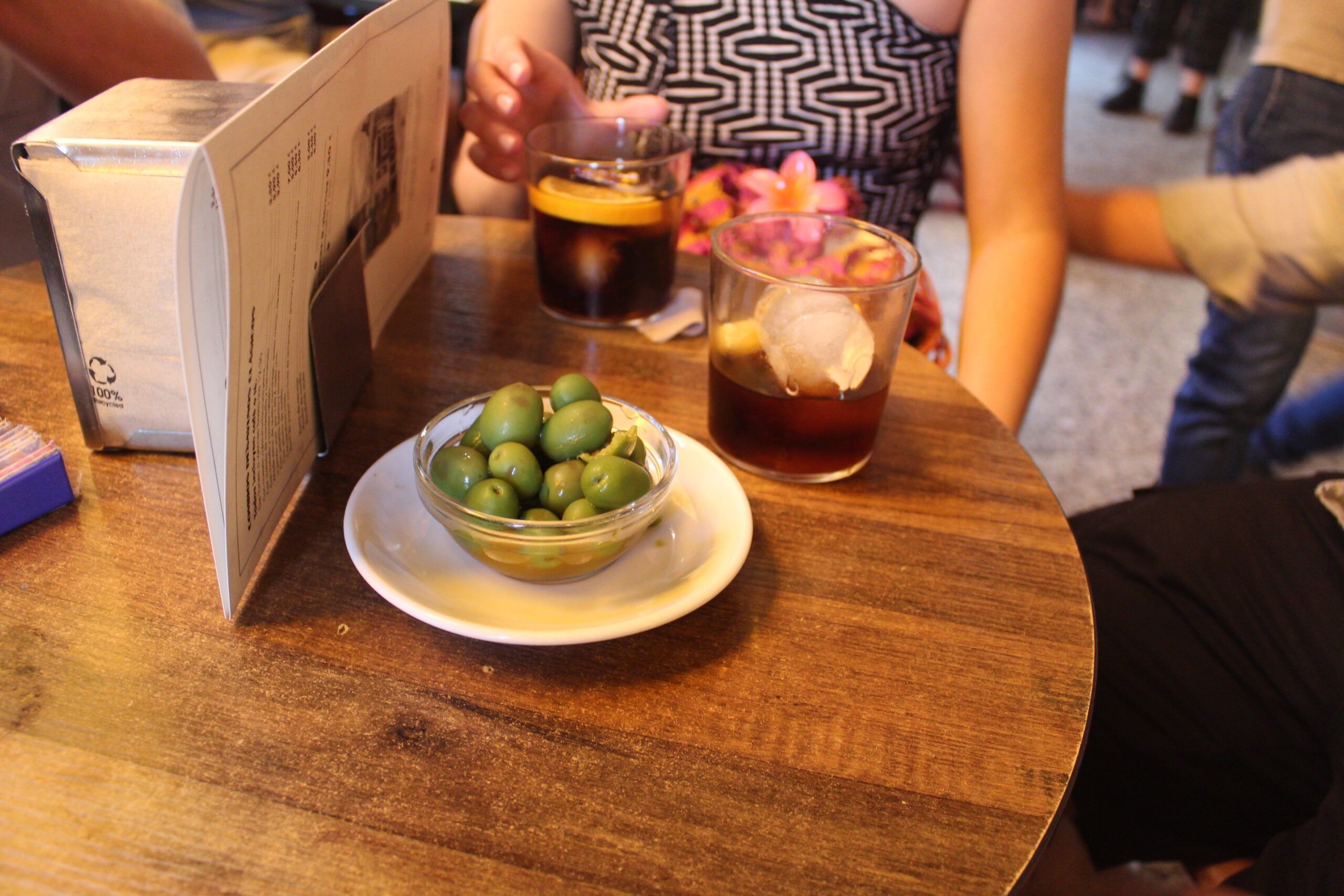
1. Olives: The Classic Starting Point
If you order a vermouth in a traditional bar, there’s a good chance olives will appear alongside it.
They’re salty, slightly bitter, sometimes meaty, sometimes marinated with herbs or citrus, and they work perfectly with the herbal, slightly sweet profile of vermouth. The salt sharpens the drink, while the bitterness mirrors it.
It’s a simple pairing, but it sets the tone.
2. The Gilda: A Natural Upgrade
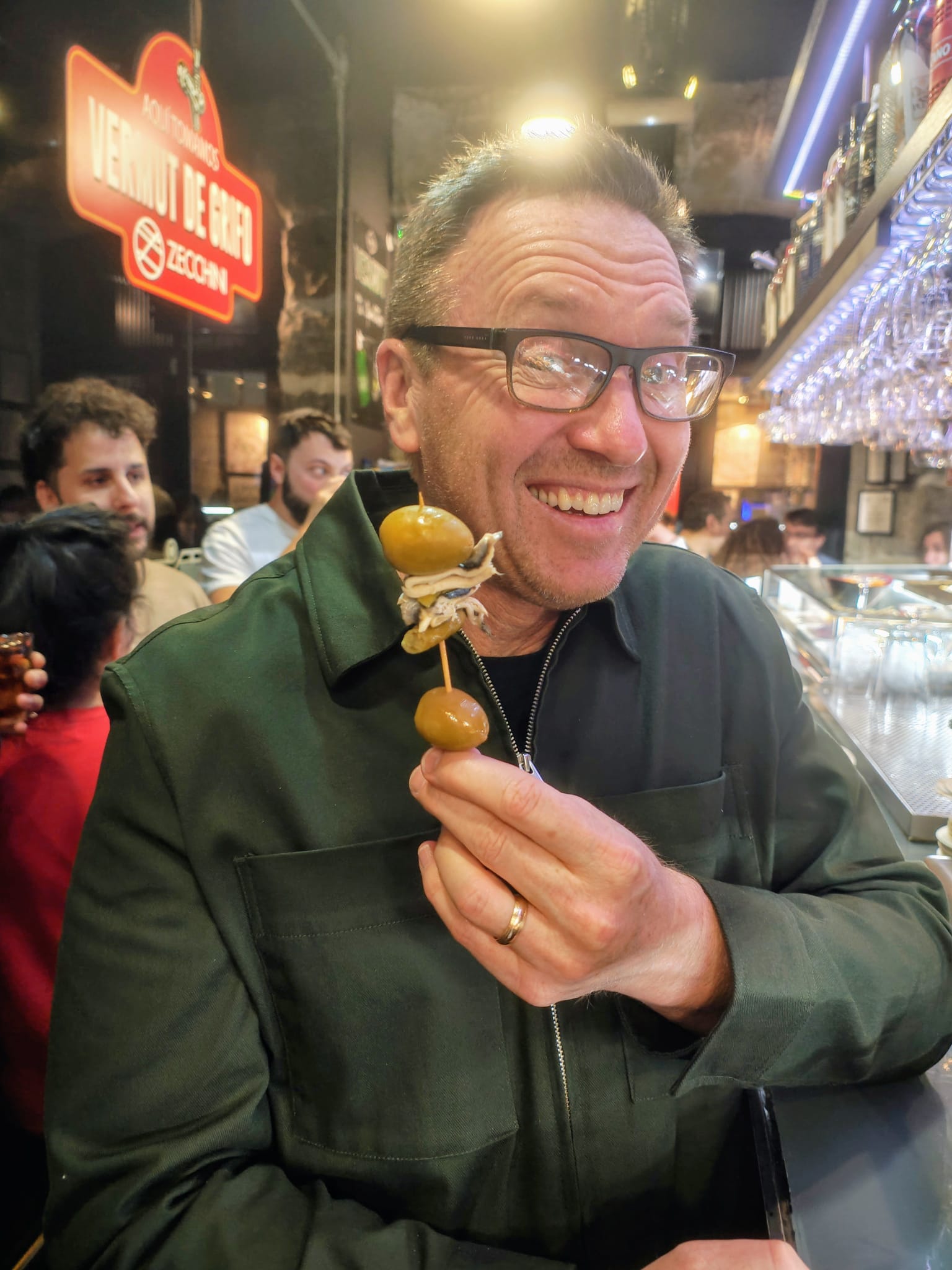
If olives are the starting point, the Gilda is the next level.
A Gilda is a simple skewer of green olive, anchovy, and pickled pepper. That’s it. But together, it delivers salt, acid, and a slight kick of heat, essentially everything that makes vermouth come alive.
It’s sharper, more structured, and more intentional than a bowl of olives. You’re no longer just snacking, you’re actively pairing.
In many traditional bars, this is one of the best things you can order alongside a vermouth.
I absolutely adore the Gilda, and I’d love to share the story of how they came to life in Spain with you. Try a Gilda with me: Tapas Walking Tour in Madrid | Vermouth & Traditional Bites
3. Anchovies: (Boquerones or Anchoas)
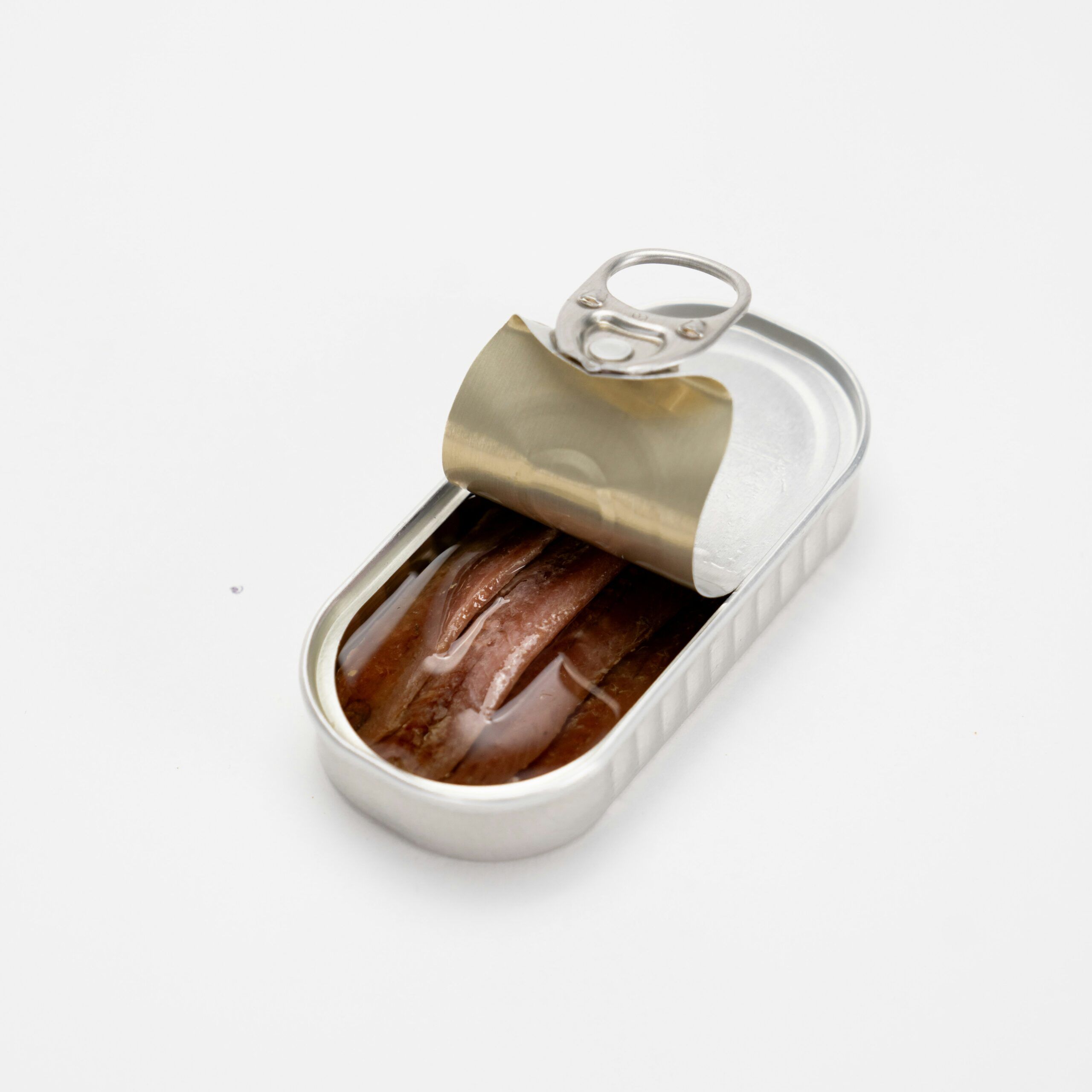
Anchovies are one of the most traditional vermouth pairings in Spain.
You’ll usually find them in two forms:
- Boquerones en vinagre: white anchovies marinated in vinegar
- Anchoas: cured anchovies, saltier and more intense
Both cut through the sweetness of vermouth beautifully. The acidity (in boquerones) or saltiness (in anchoas) creates contrast, which is exactly what you want.
This is a pairing that feels very local. Not dressed up, just done properly, how the locals eat them.
Did you know that anchoas and boquerones are the same fish, but they originate in different parts of Spain! Find out more: Tapas Walking Tour in Madrid | Vermouth & Traditional Bites
4. Potato Crisps: Simple but Effective
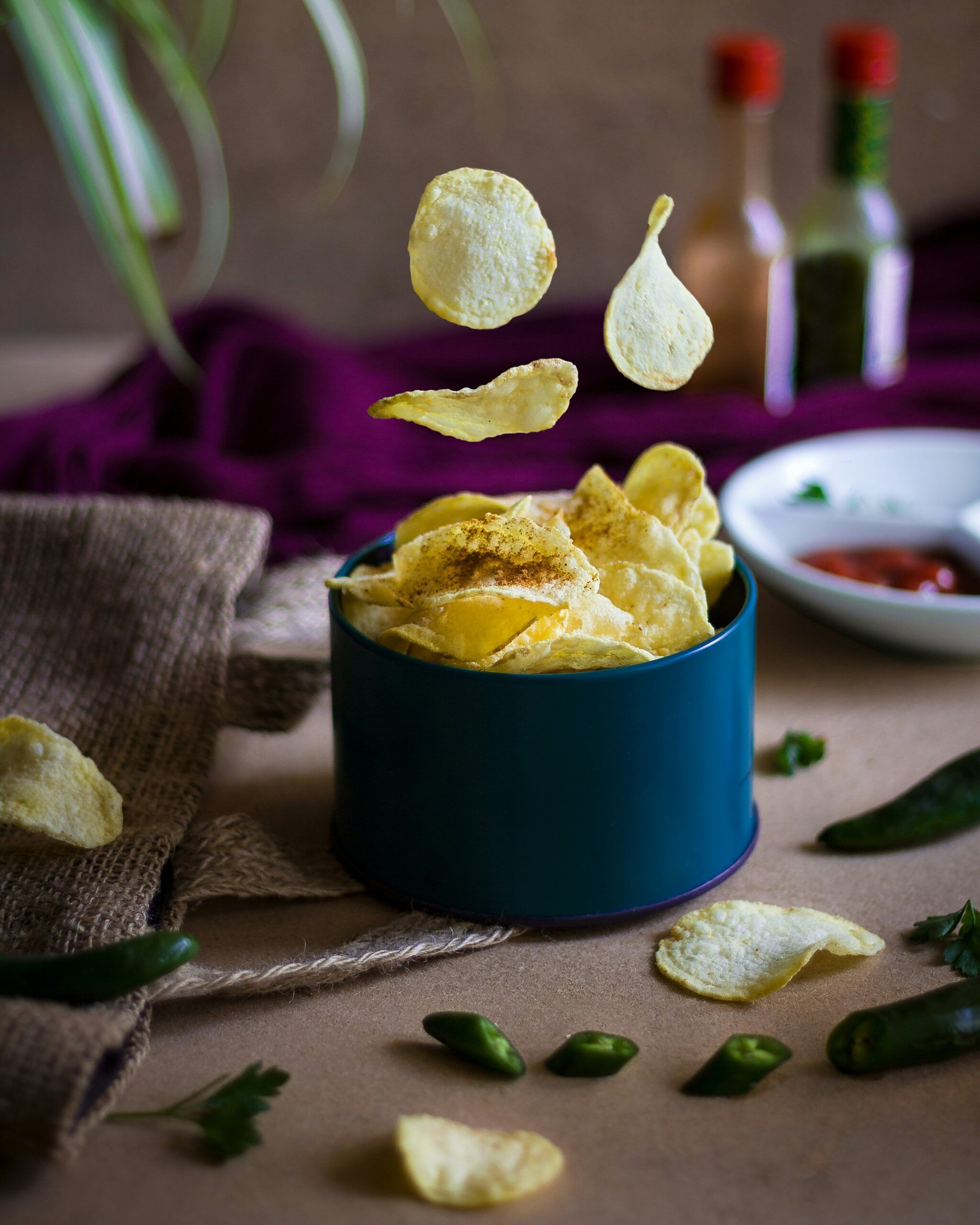
A bowl of good-quality potato chips with a glass of vermouth is a classic Madrid combination. The crunch, the salt, and the light oiliness all complement the drink.
In many bars, this is exactly what you’ll get without even asking.
It’s proof that the pairing doesn’t need to be complicated, it just needs to balance the drink.
5. Conservas: Tinned Seafood Done Right
Spain takes its tinned seafood seriously.
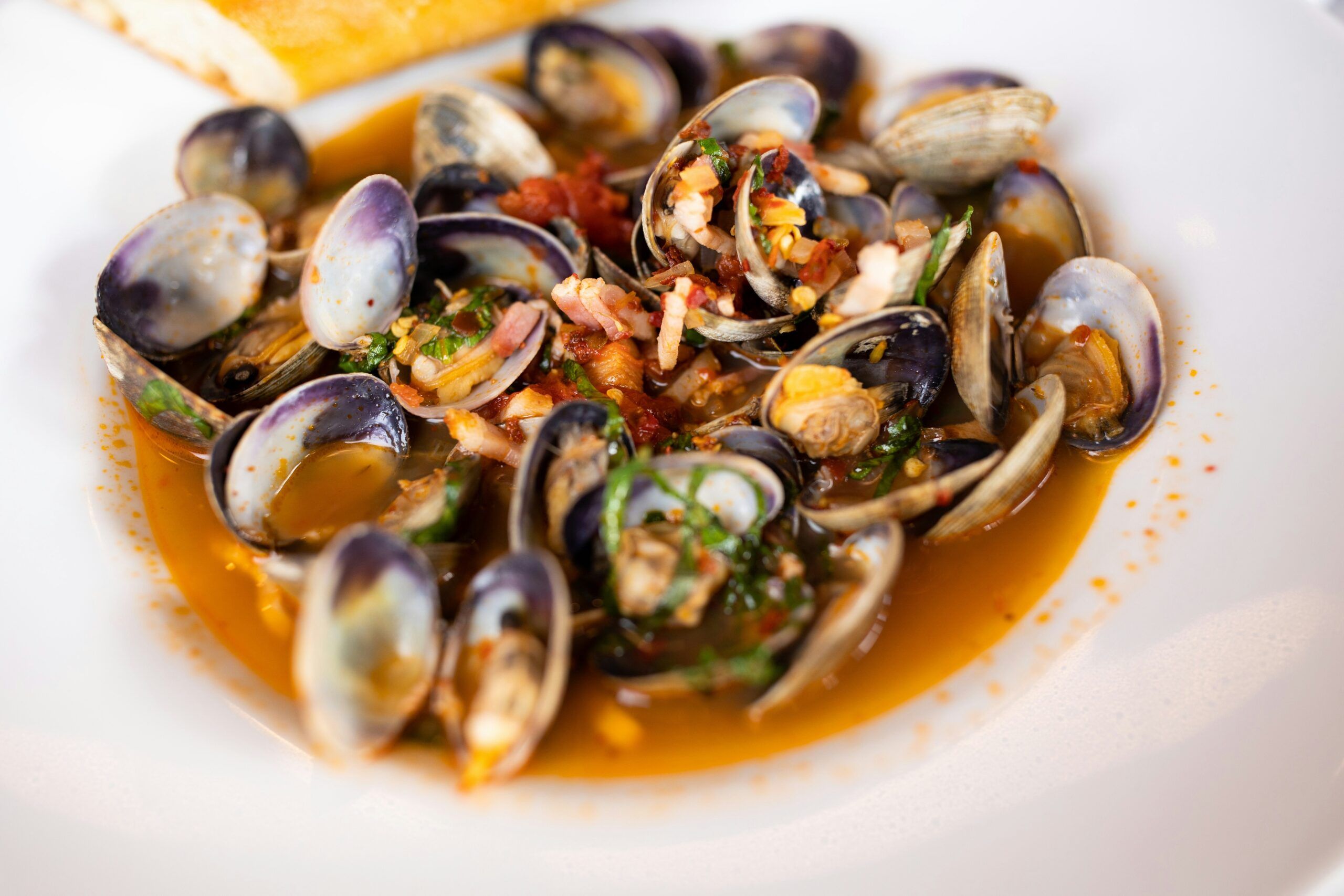
Things like mussels in escabeche, sardines, or cockles are common vermouth pairings, especially in more traditional or specialist bars.
They bring bold flavours like vinegar, oil and salt. These all stand up well to vermouth’s herbal complexity.
This is where the experience starts to feel more like a ritual than a snack.
6. Cheese and Cured Meats: A Classy Choice
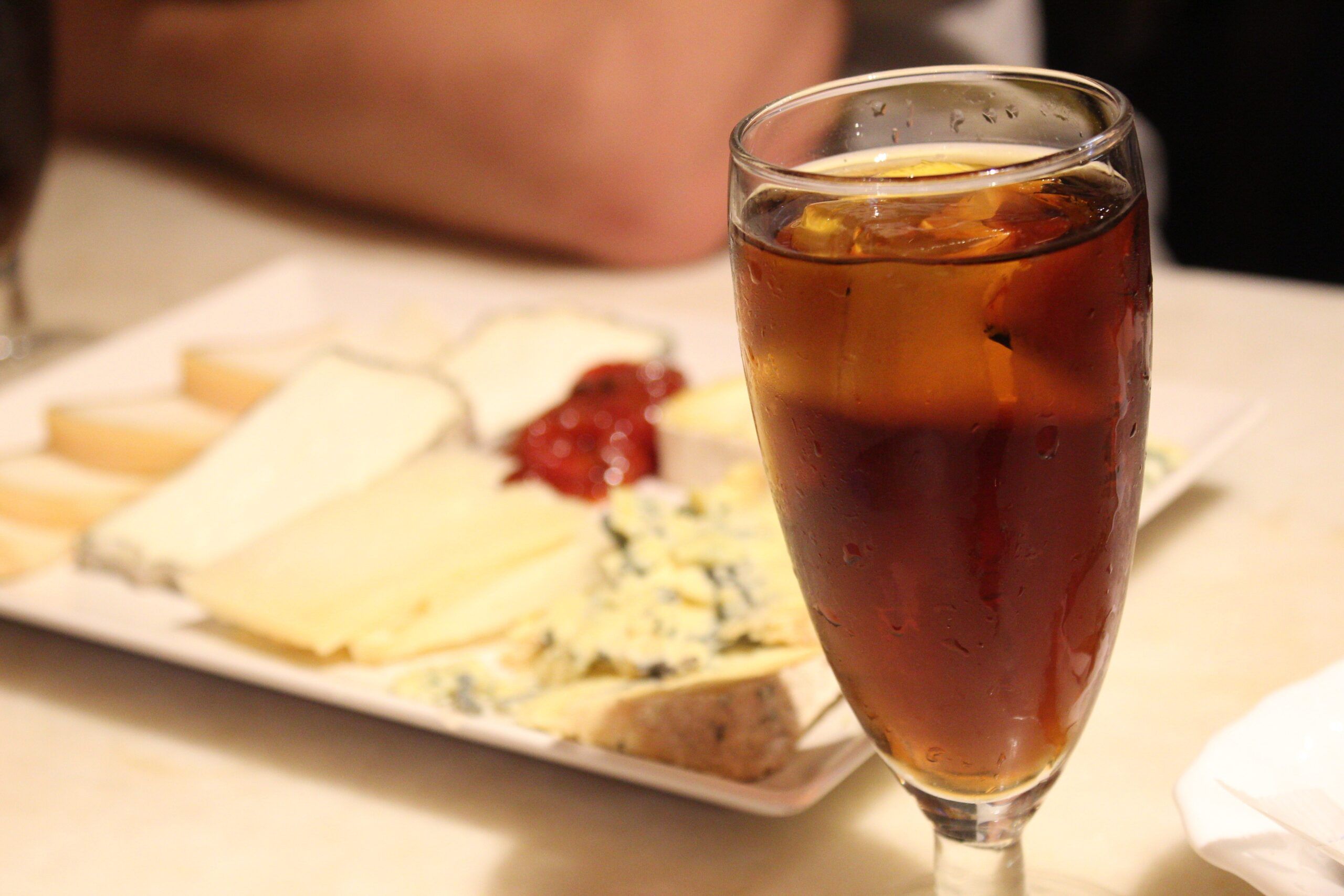
If you want something slightly more substantial, cheese and cured meats are a natural next step.
- Manchego cheese brings a firm, nutty contrast
- Jamón ibérico adds richness and depth
These pairings slow things down. Instead of a quick drink, you start to settle into the moment. A classy way to cruise into lunch time.
The Real Pairing: The Moment Itself
The key thing to understand is that vermouth isn’t about one perfect food match.
It’s about small bites, shared conversation, and a gradual build into lunch.
You stand at the bar or sit at a small table. You order a vermouth. Something salty arrives. You talk. You order another round. Maybe try something else.
That’s the pairing.
If you want to experience this properly in Madrid, it helps to know where to go and how to order, because the best places aren’t always obvious. That’s exactly why I run a small-group vermouth experience, where we visit traditional spots and go through these pairings the way locals actually do.
But even on your own, keep it simple: something salty, something flavourful, and a good vermouth.
That’s all you need.
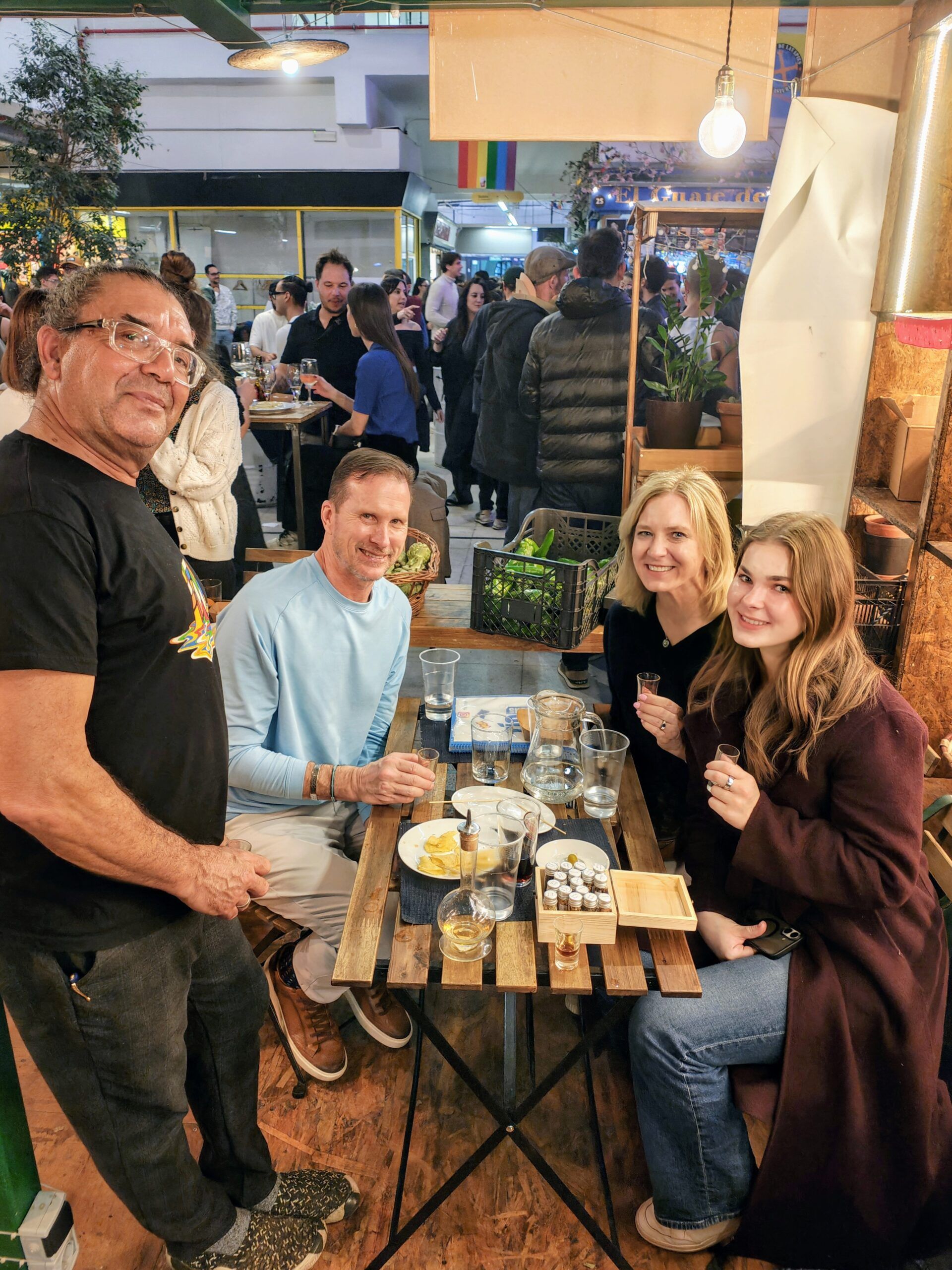
Join your small-group vermouth experience in Madrid: Tapas Walking Tour in Madrid | Vermouth & Traditional Bites